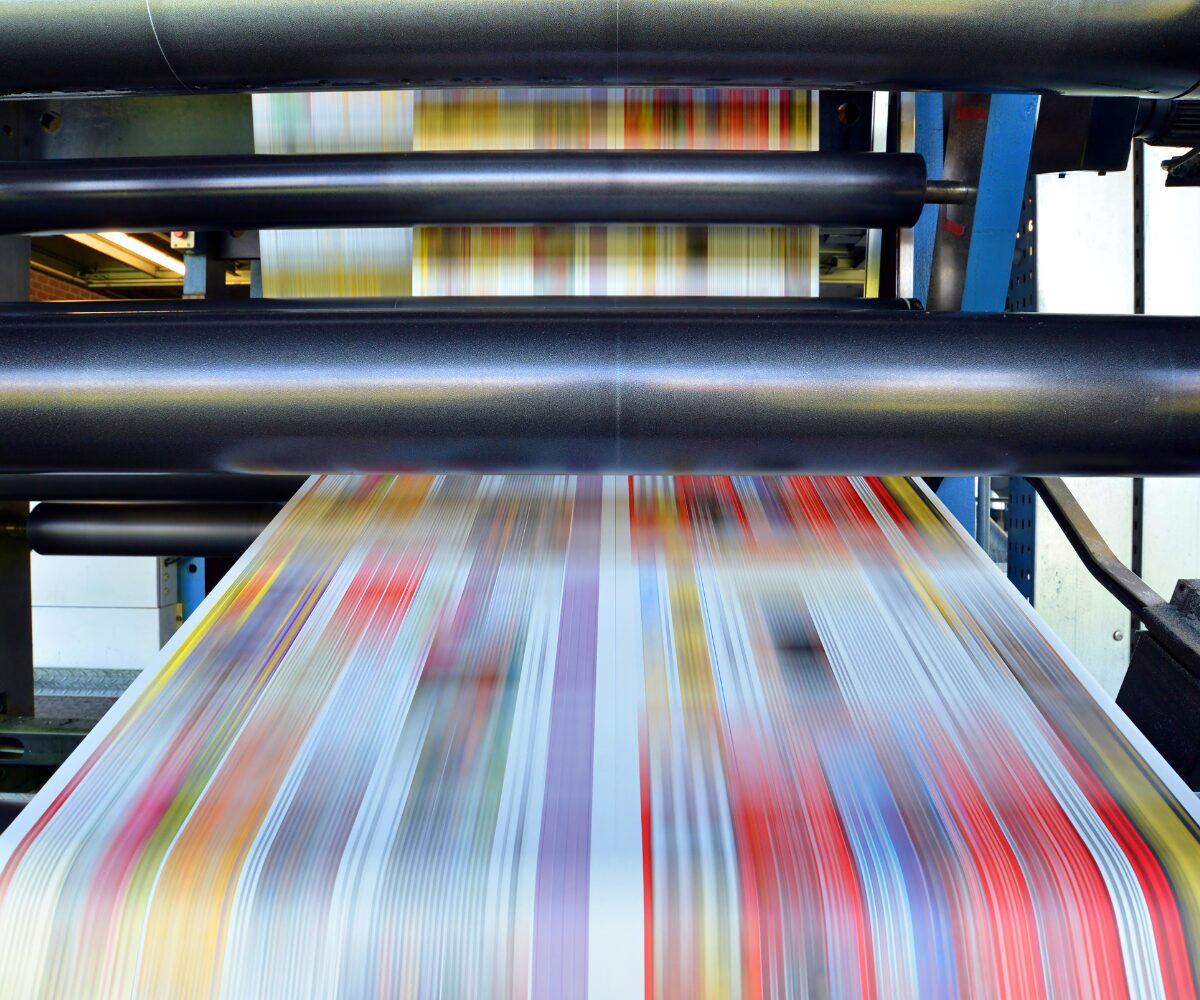


Thermal labels are printed using heat rather than ink, producing clear, durable images and barcodes. They include both direct thermal and thermal transfer types.
Thermal labels produce high-quality printed images using heat rather than traditional ink or toner. They are typically divided into two main categories: thermal transfer labels and direct thermal labels. Thermal transfer printing uses a heated printhead to transfer ink from a ribbon onto the label surface, creating a durable and long-lasting finish. Direct thermal printing, by contrast, uses heat to activate a specially coated label surface, causing it to darken and form the required image without the need for a ribbon.
At Integrity Communications Group, thermal printing solutions are delivered through its specialist companies, combining technical expertise with secure, high-quality production. By utilising in-house manufacturing capabilities and sector-specific knowledge, Integrity is able to supply both thermal transfer and direct thermal labels tailored to individual operational requirements. Whether supporting logistics, retail, healthcare or financial services, the Group ensures consistent print performance, reliable adhesion and full compliance with industry standards. This integrated approach enables clients to benefit from scalable supply, responsive service and solutions designed to work seamlessly with existing thermal printing systems.


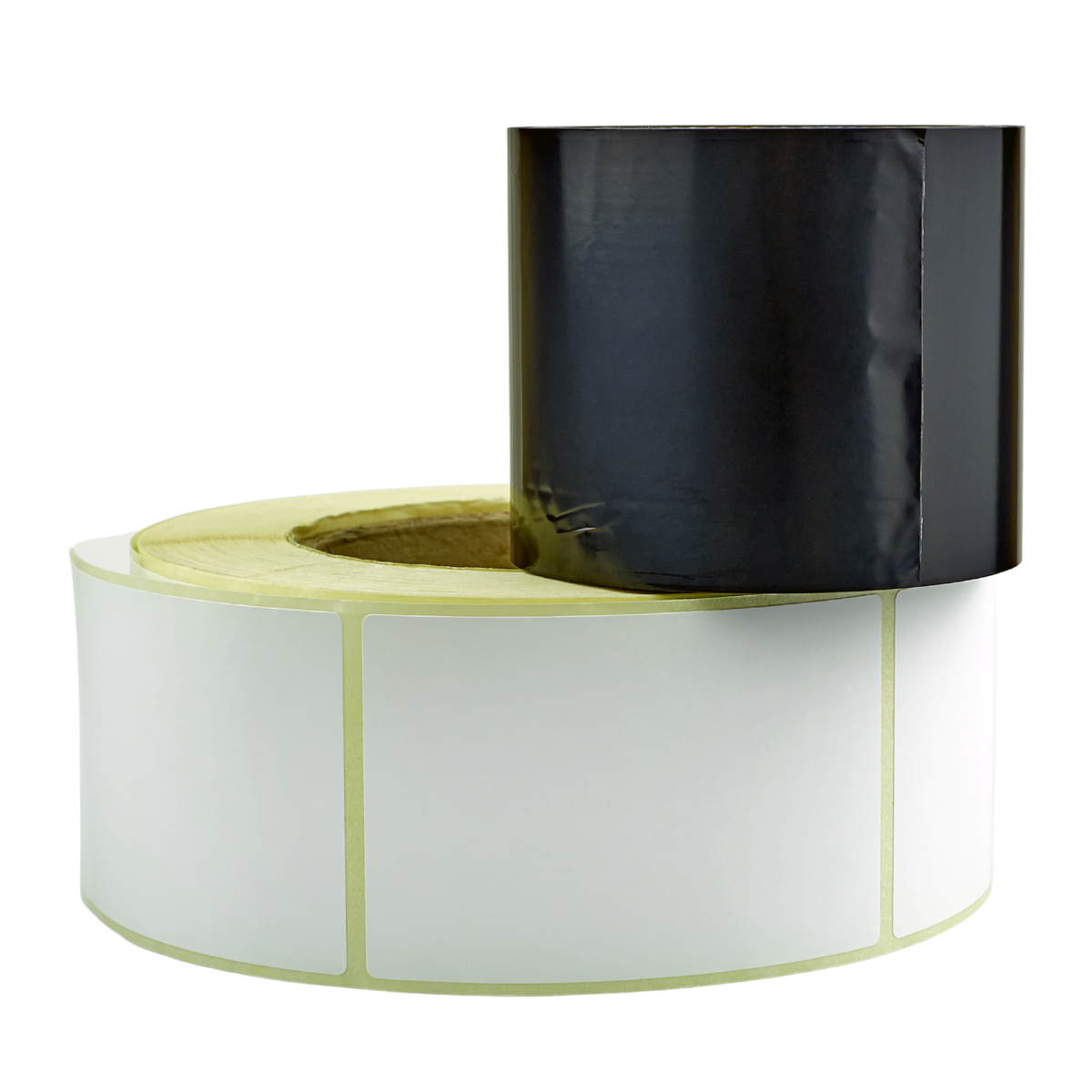
Thermal labels offer a range of advantages for businesses of all sizes, providing fast, reliable, and high-quality printing without the need for traditional ink. Whether used for shipping, product identification, or asset tracking, these labels improve operational efficiency and help ensure accurate, readable information every time.
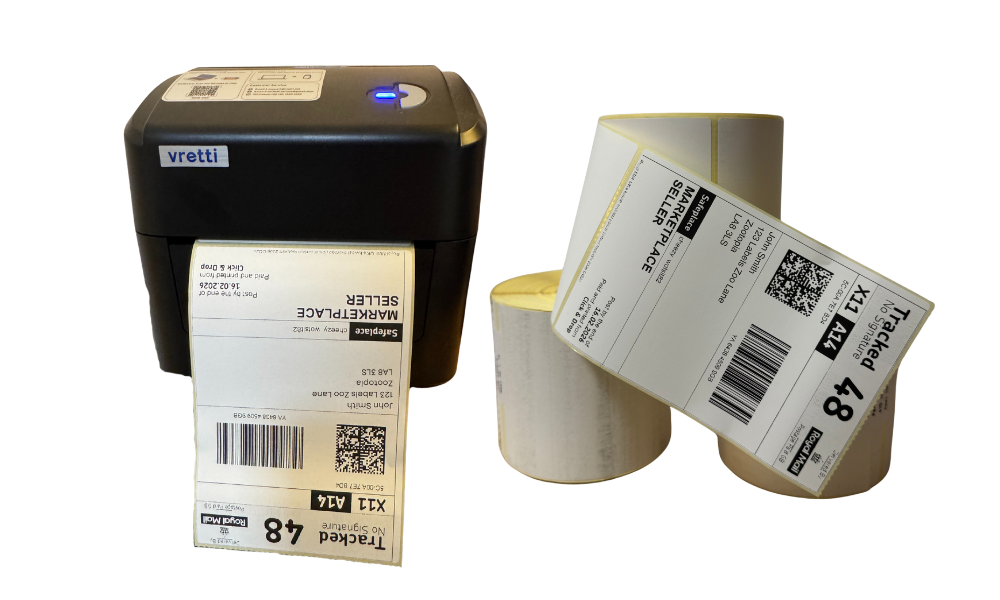
Direct thermal labels are designed for short-term applications, using heat-sensitive material that darkens when exposed to a thermal printhead. Because they do not require ribbons, they offer a simple, cost-effective solution for high-speed printing needs. These labels are ideal for shipping labels, receipts, and temporary product identification, where long-term durability is not required. Direct thermal labels provide crisp, clear barcodes and text, making them a reliable choice for logistics, retail, and office operations.
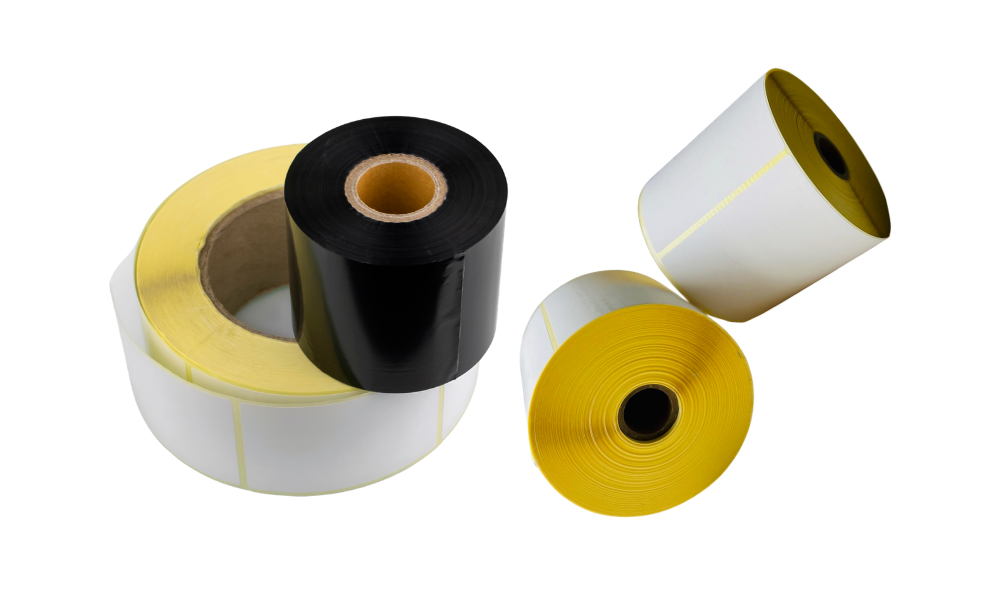
Thermal transfer labels use a ribbon to transfer ink onto the label surface via heat, creating a durable and long-lasting print. This method produces labels that can withstand heat, moisture, chemicals, and abrasion, making them suitable for industrial applications, asset tracking, and product identification where longevity is essential. Thermal transfer labels are versatile and compatible with a wide range of materials, ensuring consistent print quality for warehouses, manufacturing, healthcare, and retail environments.
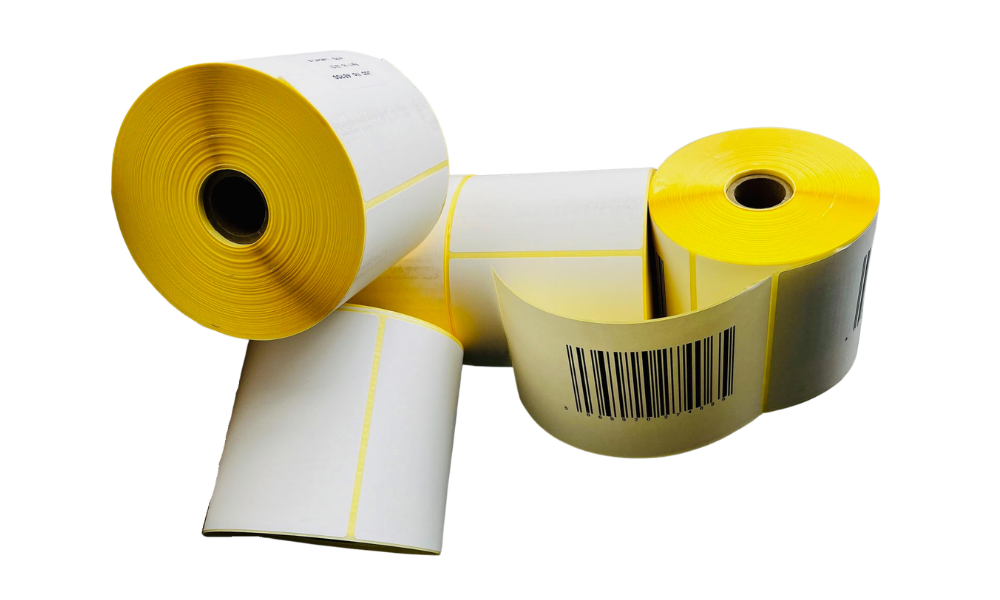
Selecting the right thermal label depends on your specific application, print volume, and environmental conditions. Direct thermal labels are ideal for short-term or single-use items, offering fast, simple, and cost-effective printing. Thermal transfer labels, by contrast, are better suited to long-term use and harsher environments, providing durability and resistance to fading or smudging. Understanding the differences between these two types of labels helps businesses implement efficient thermal printing solutions that reduce waste, improve readability, and maintain compliance across operations.
Thermal labels are essential across a range of industries where accurate, efficient, and reliable labelling is critical:








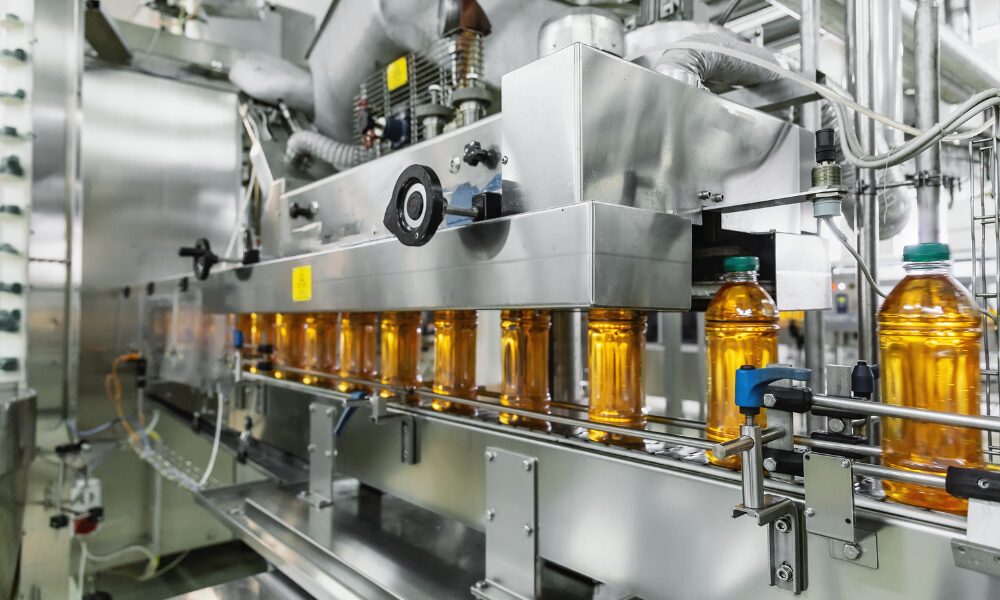


Thermal labels are printed using heat rather than ink, producing clear, durable images and barcodes. They include both direct thermal and thermal transfer types.
Direct thermal labels use heat-sensitive material that darkens when printed, ideal for short-term use. Thermal transfer labels use a ribbon to transfer ink, producing longer-lasting, durable prints.
Thermal labels are used for shipping, retail pricing, product identification, asset tracking, and healthcare labelling, among other applications.
No. Thermal labels require compatible thermal printers, either direct thermal printers for direct thermal labels or thermal transfer printers for thermal transfer labels.
The lifespan depends on the type. Direct thermal labels are best for short-term use, as they can fade over time, while thermal transfer labels offer durable, long-lasting printing for harsher environments.
Through companies within the Group, Integrity supports everything from low-volume orders to high-volume integrated label production.
Take a dive into the blog to discover more information on relevant topics such as labels, communications, security printing and more.
If you're interested in one of our services or brands, feel free to get in touch.
 01761 409200
  enquiries@integritycomms.com